Magnesium and Testosterone: The Overlooked Mineral Most Active Men Are Short On
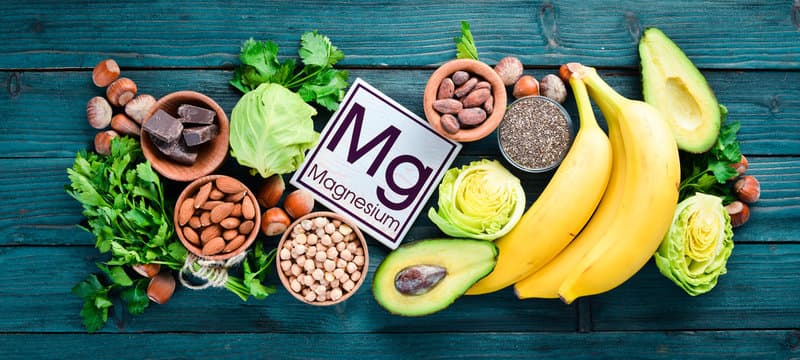
Magnesium doesn't get the same billing as zinc or vitamin D in the testosterone conversation, but the research behind it is just as direct. It's a cofactor in more than 300 enzymatic reactions in the human body, several of them directly involved in hormone synthesis and signaling — and it's one of the more common shortfalls in the diet of men who train hard, sweat regularly, and don't think twice about their mineral intake.
Most men associate magnesium with muscle cramps or sleep aids, if they think about it at all. Fewer know it has a measurable, mechanistic relationship with free testosterone — one that becomes more relevant, not less, the more physically active you are.
What the research shows
The most frequently cited human trial on this relationship comes from Cinar et al., published in Biological Trace Element Research in 2011. Over four weeks, sedentary subjects and trained athletes were given magnesium supplementation (dosed relative to body weight) while testosterone was measured both at rest and after exhaustive exercise. Both magnesium-supplemented groups saw increases in free and total testosterone — but the effect was meaningfully larger in the group that combined magnesium supplementation with regular training, compared to magnesium alone or exercise alone.
That interaction is the interesting part. It suggests magnesium isn't just correcting a static deficiency — it's supporting the hormonal response your body is already trying to mount in reaction to training. A separate line of evidence comes from the InCHIANTI aging study (Maggio et al.), which followed older men and found serum magnesium levels positively correlated with total testosterone, free testosterone, and IGF-1 — independent of age. Lower magnesium status tracked with a lower hormonal profile across an aging population, which is exactly the group with the least room to spare.
The SHBG mechanism
SHBG displacement
Magnesium appears to bind sex hormone-binding globulin (SHBG) directly, reducing its affinity for testosterone. Since SHBG-bound testosterone is biologically inactive, this shifts more of your existing testosterone into the free, usable fraction — without requiring any change in total production.
Enzymatic cofactor role
Magnesium is required for hundreds of ATP-dependent enzymatic reactions, several of which sit inside the steroidogenesis pathway that converts cholesterol into testosterone. A shortfall doesn't shut the pathway down, but it does make it run below capacity.
Vitamin D activation
Magnesium is a required cofactor for the enzymes that convert vitamin D into its active hormonal form. A magnesium shortfall can blunt the benefit of vitamin D supplementation even when D3 intake looks adequate on paper — the two nutrients are working the same pathway together, not independently.
Sleep and cortisol regulation
Magnesium supports GABA receptor activity and helps regulate HPA axis reactivity, both of which affect sleep depth and cortisol clearance. Since deep sleep and lower cortisol are each independently tied to higher testosterone, magnesium status touches the hormonal picture from more than one direction at once.
Why active men are especially at risk
Magnesium is lost through sweat in the same way zinc is, and it's not stored in any meaningful reserve the body can draw on indefinitely — daily intake matters. Regular training increases magnesium turnover and urinary excretion, which means the men putting in the most work in the gym are often the ones running the largest deficit, without any obvious symptom pointing back to the cause.
National dietary surveys consistently find that a majority of adult men fall short of the RDA for magnesium from food alone — and that gap widens further for men in a caloric deficit, men who train heavily, or anyone eating a diet low in leafy greens, legumes, and seeds. Unlike a lot of nutritional shortfalls, this one rarely produces a symptom dramatic enough to prompt a blood test.
Who's most at risk
Regular heavy training
Sweat losses and increased turnover from consistent training raise daily magnesium requirements well above sedentary baselines.
Regular alcohol consumption
Alcohol increases urinary magnesium excretion directly, on top of typically displacing magnesium-rich foods in the diet.
Caloric restriction or cutting
Less food volume means less magnesium intake — at the exact time cortisol demand and training stress are often highest.
Men over 40
Intestinal magnesium absorption declines with age. Common medications in this age group, including certain diuretics and long-term proton pump inhibitors, further deplete magnesium status.
High caffeine intake
Caffeine's mild diuretic effect modestly increases magnesium losses, particularly when intake is high and spread throughout the day.
Low-produce diets
Magnesium is concentrated in leafy greens, seeds, legumes, and nuts. Diets built around processed food and lean protein with little produce are commonly short on it.
Dietary magnesium: where it comes from
| Food | Serving | Magnesium |
|---|---|---|
| Pumpkin seeds | 1 oz | ~150mg |
| Spinach (cooked) | ½ cup | ~78mg |
| Almonds | 1 oz | ~80mg |
| Black beans (cooked) | ½ cup | ~60mg |
| Dark chocolate (70–85%) | 1 oz | ~65mg |
| Avocado | 1 medium | ~58mg |
| Salmon | 3 oz cooked | ~26mg |
The RDA for magnesium in adult men is 400–420mg per day, depending on age. A diet with consistent leafy greens, legumes, nuts, and seeds can reasonably approach that number — but it takes deliberate effort. A diet built around processed carbohydrates and lean protein with minimal produce commonly lands well short, often without any single dramatic red flag beyond the numbers not adding up.
Supplementation: form matters as much as dose
Not all magnesium supplements behave the same way in the body. Magnesium oxide is the cheapest and most common form in low-quality multivitamins, but it's poorly absorbed — a large fraction passes through the gut unabsorbed, which is why it's more often marketed as a laxative than a supplement for correcting a deficiency. Magnesium glycinate (bisglycinate) and magnesium citrate are both considerably better absorbed and are generally gentler on the GI tract, making them the more reasonable choice when the goal is actually correcting a shortfall rather than treating occasional constipation.
“Zinc gets most of the spotlight. Magnesium has been doing just as much work quietly in the background.”
300–400mg elemental magnesium (glycinate or citrate)
Falls within the range used in research showing hormonal and sleep benefits, in forms that are well-absorbed and well-tolerated.
200–300mg magnesium oxide
Cheap and common, but poorly absorbed — a meaningful fraction passes through unused, and higher doses commonly cause GI upset before they correct a deficiency.
Magnesium only as part of a multivitamin (typically under 50mg)
Rarely enough on its own to close an existing shortfall, particularly for men with elevated training-related losses.
Supplemental magnesium above 350mg/day
The NIH's tolerable upper intake level for magnesium from supplements specifically — food sources aren't capped the same way. Going meaningfully beyond this raises the risk of GI upset without added benefit.
The bottom line
Magnesium's role in testosterone isn't a single mechanism — it's a cofactor for the enzymes that make testosterone, a competitor that frees testosterone from SHBG, a requirement for activating the vitamin D you're already taking, and a lever on the sleep and cortisol systems that independently drive hormonal output. Few nutrients touch the picture from that many angles at once.
For men training regularly, restricting calories, drinking occasionally, or simply not eating much in the way of leafy greens and legumes, a magnesium shortfall is one of the more plausible and correctable explanations for a hormonal picture that isn't where it should be. It rarely announces itself. It's worth checking for anyway.